Used SUVs for Sale in Glen Burnie, MD



















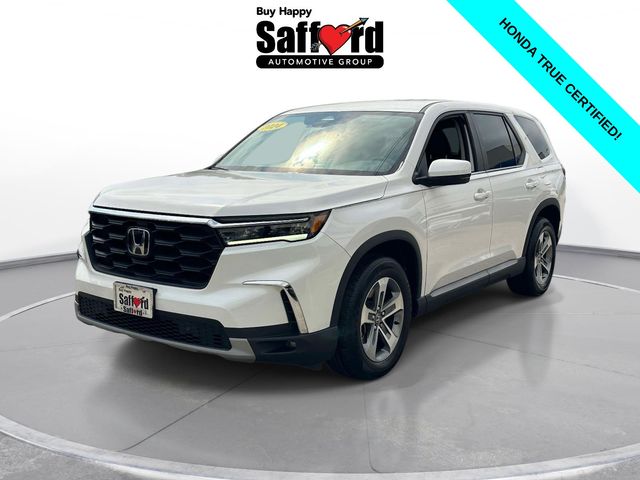
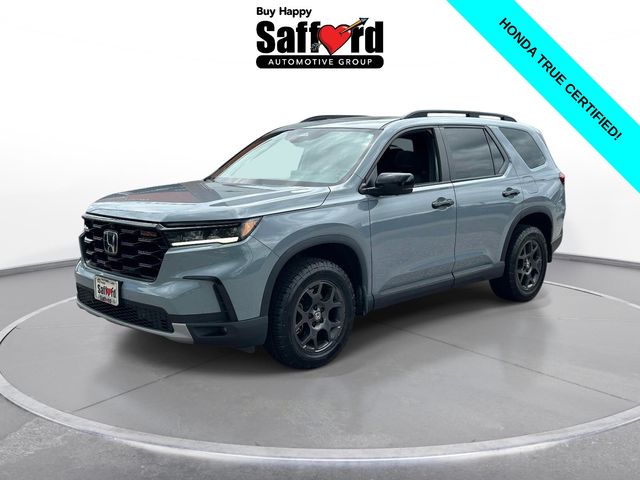
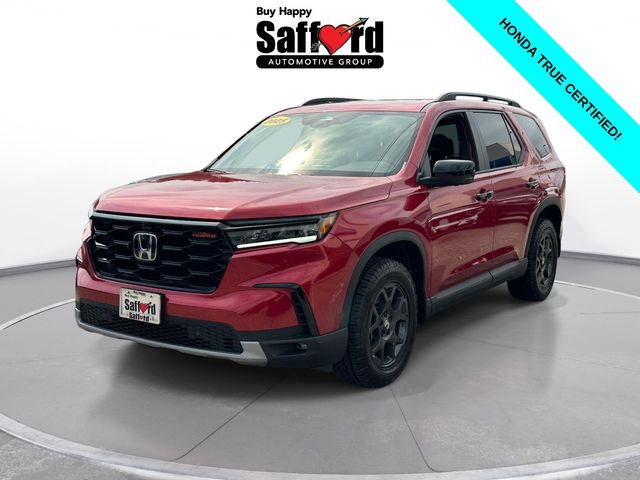
Frequently Asked Questions about Used SUVs Glen Burnie, MD
Do I actually need the third row?
Put your actual passengers in it rather than reasoning about it. Have the tallest person sit in row two with the seat where they would really put it, then send somebody into row three behind them. Check what the folded third row does to the load floor height while you are there.
What gets checked on a used SUV before it goes on the lot?
Tires, brakes, fluids, lights and any stored fault codes are inspected, and anything outside specification is repaired before the vehicle is listed. Cosmetic work is handled separately and never stands in for a mechanical fix. Ask for the reconditioning notes on any vehicle you like.
Are used SUVs more expensive to insure than used cars?
Often slightly, though it varies enough between models that the assumption is unreliable on its own. Repair cost and theft rates drive the difference more than size does. Run a quote on the two vehicles you are choosing between before you decide.
Can I see what a used SUV looks like underneath?
Yes. Ask and the vehicle goes up on a lift so you can look at the frame rails, exhaust and suspension yourself. On anything that has driven through treated winter roads, that view tells you more than any photograph will.
Is a newer small SUV smarter than an older large one at the same price?
It depends entirely on whether the room gets used weekly or occasionally. The newer smaller vehicle usually carries fewer miles, more current safety equipment and lower running costs. The older larger one buys space that may sit empty for months at a stretch.
Have Additional Questions?
A question we hear constantly is whether a particular used SUV will swallow a stroller and a full week of groceries at the same time.
The honest answer changes by model, so we would rather measure it with you standing there than guess about it in writing.
Send over the vehicle you are curious about and somebody will go look at it before you make the drive.
How Much Vehicle Are You Actually Moving Around?
Most used SUV searches begin with a seat count and stop there. That is the wrong opening question, because a two-row and a three-row wearing the same nameplate behave like different vehicles once you are parking them. Start instead with how often those extra seats will hold people.
If the honest answer is a few times a year, you will be happier the other three hundred days in a two-row with a longer floor behind the seats. If the answer is most school mornings, that third row stops being a luxury and the compromises around it become worth accepting.
- Third rows that fold flat versus ones that eat the cargo floor
- Cargo width measured between the wheel arches, not at the opening
- Rear door apertures wide enough for a child seat and your arms
Height is the other quiet variable. A taller vehicle is easier to climb into and harder to load a roof box onto, and the same body can sit noticeably higher on one trim than another. Check both if you have short passengers or a low garage.
Bring the child seat, the crate or the folded chair with you. Fitting a real object into a real vehicle answers in thirty seconds what a spec sheet argues about for an hour.
Sorting a Field That Was Never Designed as a Lineup
A used SUV selection is assembled rather than designed. It gathers from trades, auction buys and lease returns, so several makes end up sitting in the same size class at once. Nobody planned a tidy ladder for you to climb.
That turns out to be the advantage. You can park two competing nameplates nose to nose during a single visit, which new car shopping almost never allows without driving to a second store.
- Rival badges you would otherwise drive to three stores to see
- Trim levels that vary widely inside a single model year
- Turnover driven by whatever local owners traded that month
Nothing reaches the front row until it has been through the shop, and whatever fails inspection stays there until it is fixed. Tires, brakes, fluids and any warning light get resolved first. It is unglamorous work and it is the reason the row holds up.
Ask what a specific SUV needed when it arrived. Whoever reconditioned it at Safford Honda Glen Burnie wrote that down, and there is no reason you should not read it.
A Bigger Vehicle Eats Bigger Consumables
Running costs on an SUV are a different shape than on a car, and the difference is mostly weight. Heavier vehicles wear brakes and tires sooner, and the tires themselves are larger and cost more to replace as a set.
None of that makes an SUV a poor purchase. It means the ownership budget should pencil in a tire set earlier than it would for a sedan, and that pricing a set of four before you buy beats discovering it afterward.
- Larger tire sizes that add up across a full set
- Brake wear that arrives sooner under a heavier body
- Cabin filters and wiper blades sized up along with everything else
Our service department can tell you what a specific used SUV will want over its next twenty thousand miles, based on what has already been done to it. That is far more useful than a generic maintenance chart.
Knowing the next two service visits in advance is what keeps an SUV affordable. Surprises are what make people say they cannot afford one.
Paying for Space You Use Twice a Year
A real question sits inside every three-row purchase. Are you financing seats that fill on holidays, or seats that fill on Tuesdays? Both answers are legitimate, but only one of them justifies the extra spend.
Sometimes the honest math says a two-row plus one rental a year costs less than carrying the larger vehicle for sixty months. We will say that out loud even when it points you toward the cheaper vehicle.
- A budget built around the vehicle you drive on ordinary days
- Payment comparisons run across two size classes at once
- Insurance quotes gathered before signing rather than after
Insurance is the line item shoppers skip, and two SUVs you think of as equivalent can be priced surprisingly far apart. Get a quote on both while you are still undecided.
The finance team here would rather you be comfortable in month forty than impressed on day one. Those are not always the same vehicle.
What Maryland Weather Asks of a Used SUV
Winters around Glen Burnie are not severe, but the roads get treated whenever they need it, and salt finds the underside of anything driven through it. On a used vehicle that history is already written underneath.
Summers do the other kind of damage. Humidity and long hours parked in open sun age interior plastics, door seals and headlight lenses, so a vehicle that lived outdoors here looks different from one that lived in a garage.
- Underbody condition checked on anything that saw treated roads
- Door and hatch seals inspected for humidity damage
- Air conditioning tested thoroughly rather than briefly
We look at all of that before a vehicle is listed, and you are welcome to look again yourself. Ask and somebody at Safford Honda Glen Burnie will raise it on a lift so the underside is right in front of you.
Once somebody has genuinely inspected it, a used SUV that lived through these winters holds no mysteries. That inspection is the part worth insisting on.
Give us the seat count you truly need and the one thing you always have to load, and we will point you at the used SUVs that clear both. That is a much shorter list than the full lot.